
How Early Primary Programs Build Independence Before Preschool

Parents often wonder how to help their child grow into a confident, independent learner. The answer starts earlier than most people think. Before children even enter preschool, the experiences they have in early primary programs can shape how they think, feel, and act for years to come. Early primary programs are specially designed environments for children between the ages of two and three, and they do much more than keep little ones busy. They teach life-changing skills that help children become independent, happy learners before they even reach preschool age. In this blog, you’ll discover how these programs help young children develop essential life skills, why this early stage is so important, and what benefits it offers for your child’s future. Why Independence Before Preschool Really Matters Independence isn’t just about children doing things by themselves. It’s about developing confidence, problem-solving skills, and a sense of responsibility. During the toddler years, children go through major changes. Their curiosity explodes, they want to explore everything, and they start wanting to make their own decisions. Early primary programs use this natural growth stage to help children develop practical independence in a way that feels safe, structured, and positive. By the time children reach preschool, those who have already experienced independence through an early primary program are usually more confident, better at following directions, and more excited to learn. These are powerful life skills that continue to benefit them in school and beyond. A Nurturing Environment That Encourages Self-Help Skills One of the biggest benefits of early primary programs is how they encourage children to take care of themselves in age-appropriate ways. Classrooms are set up to allow children to easily access their toys, learning materials, and personal belongings. They are encouraged to participate in simple tasks like washing their hands, putting on their shoes, cleaning up after play, and helping set up snack time. These simple routines build a sense of responsibility and pride. Children quickly learn, “I can do this by myself,” and with that comes more confidence. The more children practice these little life skills, the more naturally independent they become. At home, parents often notice these changes quickly. Toddlers who attend structured early programs usually need less help with daily routines and often start doing more things without being asked. Learning Through Play and Exploration At this young age, play is learning. Early primary programs use play-based activities to help children develop essential skills. But it’s not just random playtime—it’s guided play, where every activity has a purpose. Teachers carefully observe each child and provide activities that encourage curiosity and exploration. For example, simple puzzles help develop problem-solving skills, water pouring activities build coordination, and group play teaches sharing and cooperation. Everything is designed to strengthen your child’s mind, body, and emotions in a way that feels fun and enjoyable. Through these playful experiences, children not only develop fine and gross motor skills but also begin to take initiative, make choices, and explore their interests. These are the very first steps toward becoming self-motivated learners. Gentle Structure Helps Children Feel Secure Children thrive in environments where they know what to expect. Early primary programs provide a soft structure to the day, which helps young children develop a sense of order and security. With a predictable daily routine that includes time for play, learning, meals, and rest, children feel safe and more willing to explore independently. Routine builds trust in their environment. When children know what happens next, they feel in control of their surroundings and can focus on exploring and learning new things instead of feeling anxious or unsure. This sense of security supports emotional independence as well. Children start becoming more comfortable being apart from their parents, managing transitions, and dealing with small changes calmly. Early Social Development Encourages Confidence Social independence is just as important as personal independence. Early primary programs introduce children to gentle social settings where they interact with peers through songs, group activities, and collaborative play. This exposure helps children practice communication, patience, and sharing from a very young age. Through these positive early experiences, toddlers begin to build friendships, understand social rules, and develop empathy. This natural social learning reduces separation anxiety and helps children become more confident in group environments making the transition to preschool much smoother. Developing Decision-Making Skills One of the overlooked parts of independence is decision-making. Early primary programs give children simple choices throughout the day such as choosing between two activities, deciding when to have a snack, or picking a storybook to read. While these may seem like small choices, they play a huge role in helping children learn how to think for themselves. Being allowed to make decisions in a safe environment encourages children to listen to their preferences, think through options, and feel confident in their choices. As a result, they develop early problem-solving skills that make them more adaptable in new situations. Building a Positive Relationship with Learning Perhaps the most lasting benefit of early primary programs is how they help children develop a positive attitude toward learning. Children learn at their own pace, explore what interests them, and receive encouragement rather than pressure. This joyful first experience with learning helps children feel excited about trying new things and confident in their ability to learn new skills. Final Thoughts Early primary programs are more than just a way to keep toddlers busy before preschool they are a meaningful first step in building strong, independent, and confident young learners. By encouraging self-help skills, allowing children to make choices, providing gentle structure, and supporting social development, these programs lay the foundation for a lifetime of independence and success.
How the Primary Montessori Classroom Prepares Children for Lifelong Success

If you’re a parent wondering how to give your child the best possible start in life, you’ve probably come across Montessori education. Specifically, the Primary Montessori classroom, which welcomes children aged 3 to 6, has earned a reputation for creating confident, capable learners. But what really makes it so special? How does it prepare your child not just for school, but for lifelong success? In this blog, we’re diving into what actually happens inside a Montessori classroom and why it can set your child up for growth, independence, and long-term happiness. The Power of Independence from an Early Age One of the most noticeable things in a Montessori classroom is how independent the children are. From the moment they walk into the room, everything is designed to give them freedom within limits. The chairs and tables are child-sized, the materials are easy to access, and the routine encourages them to take charge of their day. Children choose activities based on their interests, learn how to clean up after themselves, and even serve their own snacks. This may sound simple, but these small tasks build a sense of responsibility. Children quickly learn that they are capable of doing things on their own, which boosts confidence early in life. Hands-On Learning Leads to Real Understanding Forget boring worksheets. Montessori classrooms are famous for their hands-on learning approach. Everything from math to language to science is taught using special materials that children can touch, move, and manipulate. This kind of learning is important because young children learn best by doing. Instead of just memorizing information, they truly understand it. For example, in math, children don’t just count on paper—they work with colorful beads and number rods, which helps them grasp big concepts like addition and subtraction in a natural, stress-free way. Building Focus and Concentration Many parents are surprised to see how calm and focused Montessori classrooms are. There’s no loud chaos or constant interruptions. Instead, children are given long stretches of uninterrupted work time. This quiet, respectful environment helps children develop the ability to concentrate on tasks without getting easily distracted. Why is this so important? Because focus is a life skill. In the future, whether your child is studying for exams or working in a busy office, the ability to concentrate will help them succeed in all areas of life. Mixed-Age Learning Builds Leadership Skills Another unique feature of Montessori classrooms is the mixed-age setup. Children between the ages of three and six work in the same room. This approach benefits everyone. Younger children learn by observing older children, while older children get the chance to be leaders and helpers. This dynamic teaches kids to be more patient, kind, and helpful. It also boosts their confidence as they realize they can teach others. Leadership, teamwork, and empathy are all natural outcomes of this structure. These social skills are just as important as academics, and they help your child thrive in school, at home, and in future workplaces. Montessori Education Encourages a Love for Learning If there’s one thing Montessori education is famous for, it’s creating children who actually enjoy learning. Instead of forcing kids to follow a strict curriculum, Montessori classrooms give them freedom to explore topics that genuinely interest them. This doesn’t mean they don’t learn important subjects like math or reading they absolutely do. But they also have time to dive deeper into areas they’re curious about, whether it’s science, geography, or art. This freedom creates motivated learners who see education as something exciting, not boring. Children who love learning are more likely to perform well in school and stay curious throughout life. Real-World Skills That Go Beyond the Classroom Montessori education isn’t just about academics. It’s about raising well-rounded, capable human beings. That’s why Montessori children also develop practical life skills that help them outside of school. From learning to tie their own shoes to preparing simple snacks, Montessori kids get hands-on experience with everyday tasks. These experiences teach them responsibility, organization, and the satisfaction of being able to take care of themselves. These real-world skills lead to more confident, independent children who are ready to handle challenges both in school and in life. Emotional Growth and Self-Regulation Montessori classrooms are carefully designed to encourage peace, respect, and positive behavior. Children are taught to respect each other’s work, use calm voices, and resolve conflicts peacefully. This positive environment helps children develop emotional intelligence and self-regulation from a young age. Instead of using punishments, Montessori teachers guide children to understand their feelings and make good choices. This focus on emotional growth helps children become more balanced, caring, and self-aware individuals. Preparing Children for Future Academic Success Of course, every parent wants their child to do well academically, and Montessori classrooms deliver on this too. Because the learning is hands-on, child-driven, and carefully structured, children often develop strong reading, writing, and math skills before even entering elementary school. Many studies have shown that Montessori students perform well academically, often surpassing their peers in traditional classrooms in both academic performance and social development. Final Thoughts: The Primary Montessori classroom is much more than a place for early learning it’s a foundation for lifelong success. By encouraging independence, building strong social skills, creating focused learners, and fostering a love for knowledge, Montessori education equips children with the tools they need to succeed not just in school, but in every part of life. When children are respected, empowered, and allowed to grow naturally, they become more confident, motivated, and happy. These are the qualities that lead to success not just on report cards, but in friendships, careers, and personal goals.
10 Signs Your Baby Thrives in a Structured Infant Program

Choosing childcare is one of the biggest decisions you make as a parent. Every parent wants their baby to feel happy, safe, and well cared for. A structured infant program offers more than just supervision, it provides nurturing care, daily routines, and developmentally appropriate activities that help babies grow and thrive. But how can you tell if your baby is truly thriving in the program? In this guide, we share 10 clear signs your baby is happy and developing well in a structured infant environment. Whether you are already enrolled or considering infant care, this guide will help you understand what positive infant care should look like. 1. Your Baby Smiles and Looks Happy at Drop-Off One of the strongest signs your baby is thriving is how they react when you arrive at the infant program. A happy baby often smiles, kicks their feet, or shows excitement when they see their caregiver. This shows they feel safe, loved, and excited about their day. Even very young infants respond positively to people they trust. When you see your baby smile or seem content during drop-off, it means they are forming healthy bonds with caregivers, a key sign of thriving. 2. Your Baby Has a Calm, Predictable Routine Babies thrive on routine. A good structured program follows a predictable schedule, including time for naps, feedings, play, and outdoor activities. Babies feel more secure when they know what to expect during the day. At home, you may notice your baby’s sleep and eating routines becoming smoother too. Consistent routines help your baby adjust quickly, leading to a more settled and relaxed temperament. 3. Your Baby Shows Growth in Physical Milestones A thriving baby will naturally show physical progress. You may see them roll over, sit, crawl, or even take first steps during their time in the program. Structured infant care includes activities that encourage movement, tummy time, and fine motor practice. Pay attention to improvements in: This steady development shows your baby is being stimulated and supported properly. 4. Your Baby Is Engaged During Play Babies are natural explorers. In a nurturing environment, your baby will stay engaged during tummy time, sensory play, and guided activities. Look for signs your baby: Active engagement means your baby feels secure enough to explore and is stimulated in healthy ways. 5. Your Baby Develops Early Communication Skills Even before talking, babies communicate through smiles, coos, babbling, and body language. A structured infant program focuses on daily interactions through songs, reading, and talking, which support early language development. You may notice your baby babbling more, mimicking sounds, or responding to their name sooner than expected. This growing communication shows your baby is receiving rich language experiences daily. 6. Your Baby Feels Comforted by Caregivers Secure attachment is crucial in the first year of life. When your baby thrives, you’ll notice they relax and settle quickly when being held or soothed by caregivers. They feel comfortable in their surroundings and do not appear anxious during transitions. A good infant program ensures caregivers respond warmly to your baby’s needs, fostering trust and emotional security. 7. Your Baby Eats and Sleeps Well Thriving babies have healthy appetites and good sleep habits. If your baby comes home well-fed and rested, it’s a sign the program respects their natural rhythms. High-quality infant care tracks feeding and sleep times and tailors care based on your baby’s individual needs. Babies who eat and sleep well are happier, calmer, and healthier overall. 8. Your Baby Shows Interest in Other People From around six months old, babies start to show social awareness. You might see your baby smile at other children, follow people with their eyes, or laugh when others interact with them. This is a sign of healthy social development. Group environments offer babies gentle exposure to peers, helping them learn early social cues like smiling, sharing, and expressing themselves. 9. Your Baby Is Calm and Relaxed at Pick-Up At the end of the day, a thriving baby will generally be calm and happy. They might greet you with a smile or calmly continue playing when you arrive. This means their emotional needs are being met, and they are comfortable in their environment. Of course, some babies might cry during pick-up from excitement or transition, but if they appear peaceful most of the time, it’s a great sign. 10. You Feel Positive About the Care Your Baby Receives A thriving baby often reflects thriving care. Trust your instincts. If you feel comfortable communicating with caregivers, receive regular updates, and see your baby’s happiness, these are strong indicators the program is benefiting your child. A good infant program should leave you feeling confident, supported, and happy with your choice. Conclusion The first year of life is an important time for emotional, physical, and social development. A structured infant program can be a wonderful tool in supporting your baby’s growth. When your baby shows joy at drop-off, reaches developmental milestones, sleeps and eats well, and builds healthy connections, you can be sure they are thriving. Choosing the right program creates a strong, happy start for your child, making life easier for both of you and building skills for future success.
Is Montessori Right for Your Child? Key Questions to Ask
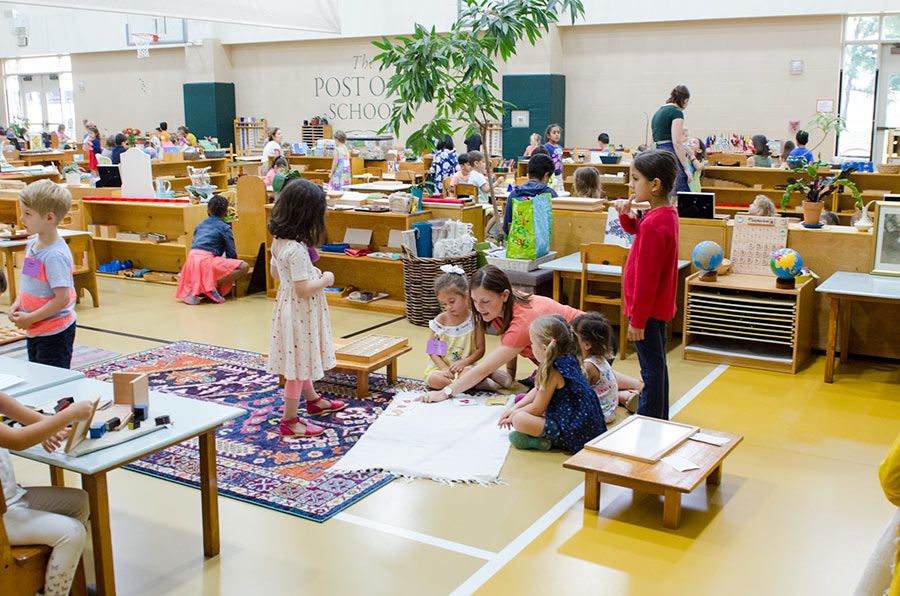
Considering Montessori or traditional schooling for your child? Learn about the fundamental differences in teaching methods, classroom structure, learning pace, and more to help you make an informed decision for your child’s education.
The Role of Community in Montessori Schools: How Parents and Teachers Collaborate
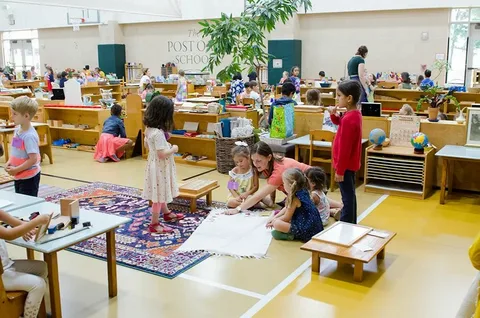
San Clemente Montessori schools emphasize the importance of community by fostering collaboration between parents and teachers to support each child’s development. This article explores the 5 positive aspects and 3 challenges of parent-teacher partnerships, open communication, and community events that contribute to a nurturing learning environment for students.
Are Montessori Schools Religious?

Many parents wonder if Montessori schools are religious. This article explores the secular nature of Montessori education, its philosophy, curriculum, and the differences between Montessori and religious schools. Get insights into how Montessori schools foster spiritual development while remaining inclusive of diverse backgrounds, along with considerations for families desiring religious instruction.
Are Montessori Schools Accredited? What Parents Need to Know
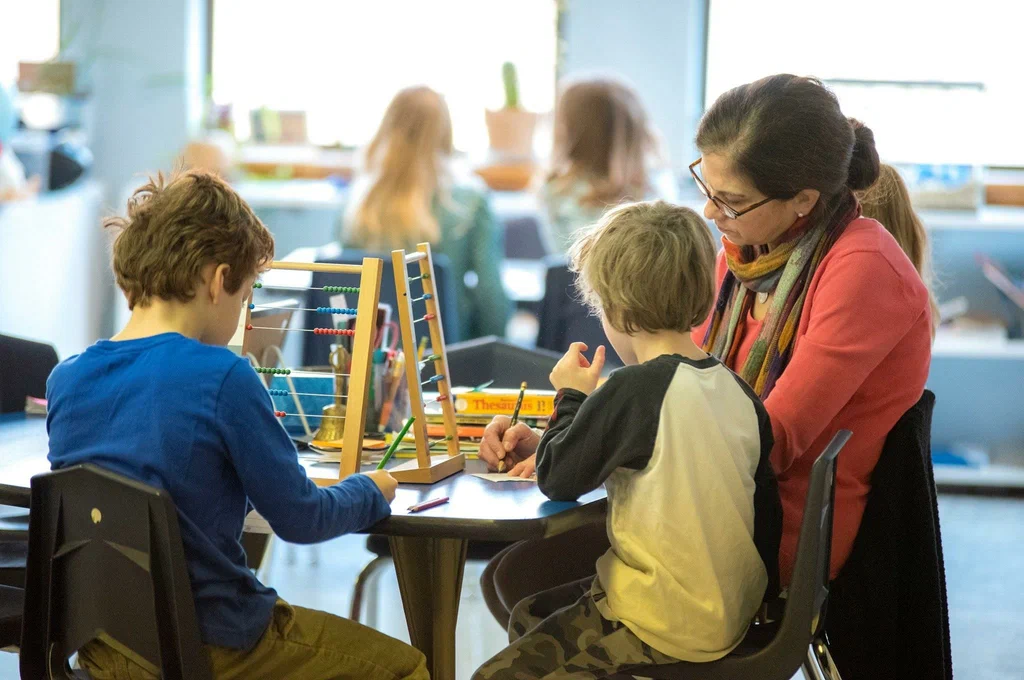
Montessori schools are popular for their unique approach to education, which focuses on self-directed learning, independence, and hands-on experiences. But when you’re considering enrolling your child in a Montessori school, particularly at the middle or high school level, you might wonder: Are Montessori schools accredited?
What is International Curriculum in Schools?
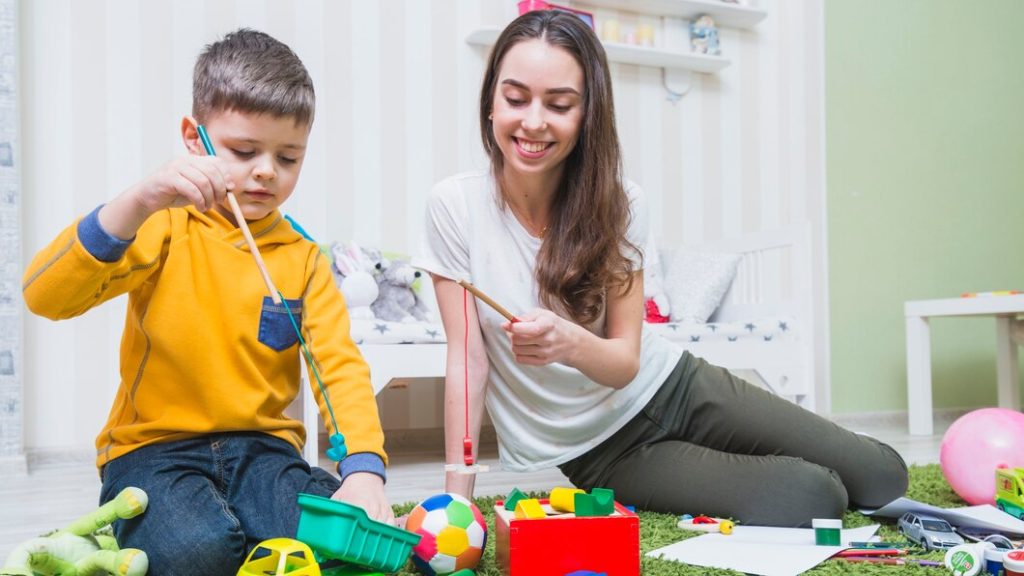
Learn about the benefits of an international curriculum in Montessori education at Capstone Montessori School in San Clemente. Discover how our approach fosters independence, critical thinking, and global readiness for infants and young children.
A Day in the Life of a Montessori Toddler at Capstone Montessori School
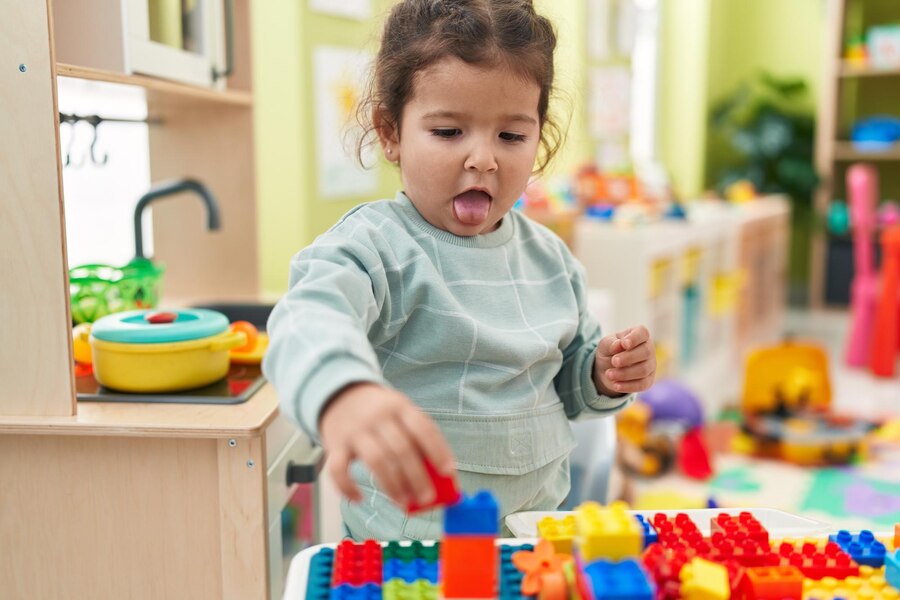
An Overview of the Montessori Toddler Experience At Capstone Montessori School in San Clemente, every day for toddlers is an adventure filled with learning, growth, and joy. This Montessori School for Toddlers has developed a supportive environment for learners, where children thrive through engaging and structured activities designed to foster independence and curiosity. With a focus on providing the best school for early childhood, Capstone Montessori School offers a rich blend of individualized learning opportunities that nurture each child’s unique developmental journey. Starting the Day: A Warm and Welcoming Environment The day at Capstone Montessori School begins with a warm welcome from the teachers and staff, creating a positive start for every toddler. The school’s emphasis on creating a supportive environment for learners is evident as children are greeted individually, making them feel seen and valued. This interaction sets the tone for a day filled with exciting activities that support social, emotional, and academic development. Upon entering the classroom, toddlers are encouraged to hang up their own coats and put away their belongings. This simple act of independence is a foundational Montessori practice that helps toddlers feel a sense of responsibility and confidence. The organized and thoughtfully prepared classroom environment invites exploration and concentration, offering a variety of learning stations where toddlers can choose their own activities. Morning Activities: Independence and Choice Once settled, the children are given the freedom to select activities that interest them. At Capstone Montessori School, the classroom is set up with various learning stations that include sensory activities, puzzles, art supplies, and practical life tasks like pouring, sweeping, and sorting objects. The focus is on encouraging children to make choices, try new tasks, and solve problems at their own pace. One of the key features that makes Capstone the best school for early childhood is its emphasis on encouraging growth education. Each activity is designed to challenge toddlers appropriately, keeping in mind their developmental stages and interests. For example, a toddler might choose to engage in a practical life activity such as spooning beans from one bowl to another, which helps refine their fine motor skills. Meanwhile, another child may be drawn to building blocks, honing their spatial awareness and problem-solving abilities. Group Time: Building Community and Social Skills After some individual exploration, it’s time for group activities. These are structured yet flexible sessions where children gather in a circle for songs, stories, and group lessons. Group time is an essential component of the day, promoting social interaction, language development, and cooperative learning. During this session, children may listen to a story being read aloud or participate in singing songs and reciting rhymes. This shared experience helps build a sense of community among the children and fosters a love for language and literature. The supportive environment for learners is always maintained, as teachers guide the children with gentle encouragement, ensuring everyone has a chance to participate and express themselves. Snack Time: Promoting Healthy Eating Habits A mid-morning snack break follows group time. At Capstone Montessori School, snack time is more than just a break for nourishment; it’s also an opportunity to practice self-care and social skills. Toddlers are encouraged to serve themselves, choose what they want to eat, and clean up afterward. This process helps children learn about portion control, decision-making, and responsibility. Teachers use snack time to introduce the concept of healthy eating habits, often talking about the nutritional value of different foods and promoting mindful eating. Children learn to enjoy their food while also appreciating the importance of a balanced diet. Outdoor Play: Exploring and Learning in Nature After snack time, it’s time to head outside. Outdoor play is a crucial part of the Montessori toddler experience. The spacious and well-designed outdoor area at Capstone Montessori School provides toddlers with a safe environment to run, jump, and explore. Activities like climbing, playing in the sandbox, or interacting with nature stimulate physical development, balance, and coordination. Being outdoors also allows children to learn about their natural surroundings. Teachers often lead small group activities that may involve observing insects, feeling different textures of leaves, or collecting pebbles. These activities spark curiosity and provide hands-on learning experiences that deepen children’s understanding of the world around them. Lunch and Rest: Recharging for the Afternoon Following outdoor play, it’s time for lunch. Toddlers eat together, practicing skills such as using utensils, passing food to peers, and expressing gratitude for the meal. The supportive environment for learners continues as teachers gently encourage positive table manners and social interaction. After lunch, children transition to rest time. Rest or nap time is vital for recharging the toddlers’ energy levels, ensuring they are ready for the remainder of the day. The quiet atmosphere helps them wind down, while teachers provide a calming presence, fostering a sense of security and comfort. Afternoon Activities: Creativity and Self-Expression The afternoon session at Capstone Montessori School often involves more creative and expressive activities. Art projects, music, and movement sessions allow toddlers to explore their creativity and emotions. They might paint, experiment with different materials, or engage in imaginative play. These activities are more than just fun; they are an integral part of encouraging growth education by helping children develop their fine motor skills, hand-eye coordination, and creative thinking. Final Group Time: Reflecting on the Day As the day draws to a close, toddlers gather once more for a final group session. This is a time for reflection, where teachers may ask children to share their favorite activities of the day. It’s also a moment to revisit the day’s lessons and reinforce key concepts learned through play and exploration. This session helps consolidate the learning experience, making each child feel proud of their achievements. Going Home: A Smooth Transition The day ends with a calm and structured transition, as children prepare to leave the school. Teachers assist them in gathering their belongings and getting ready to meet their parents or guardians. Parents often receive a brief update on their child’s day, reinforcing the partnership between school
What Activities Promote Cognitive Development in Children?
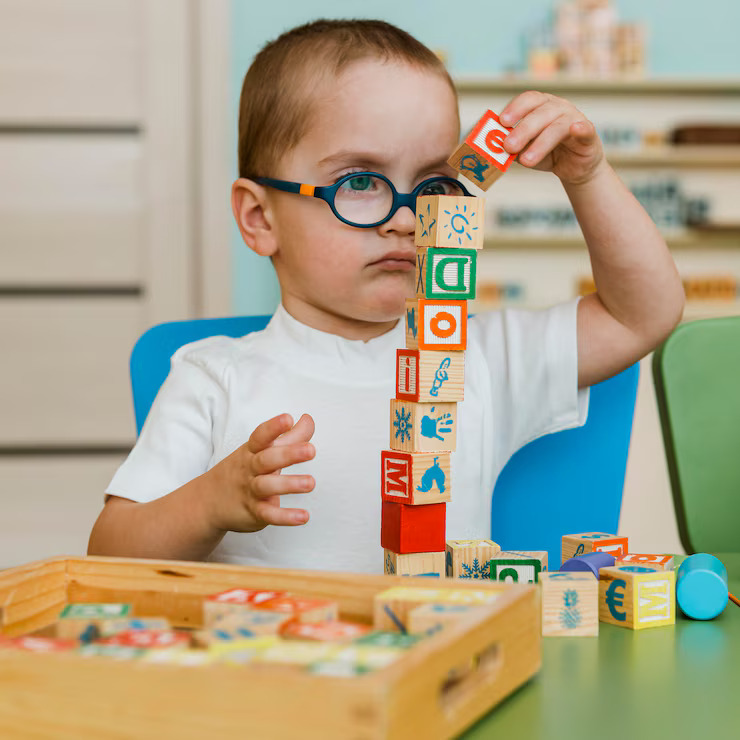
At Capstone Montessori School, we are committed to fostering a well-rounded, holistic approach to education. We believe that cognitive development is one of the most critical aspects of a child’s growth. Cognitive development includes skills such as thinking, reasoning, problem-solving, and memory. From infancy through childhood, nurturing these skills is essential to help children grow into capable, independent learners.